
Patient Education
Patient Education
Welcome to our Patient Education section, your go-to resource for all things related to skin health. Here, we provide informative articles and insights to help you better understand and manage various dermatological conditions. Stay tuned for monthly blog updates covering a range of skin concerns, empowering you to make informed decisions about your skincare journey.


Chemical Peels: Can Chemical Peels Make Acne Scars Worse?
Acne is a common skin condition. Around 50 million Americans develop acne every year. A small percentage of those individuals will develop acne scars. You may...
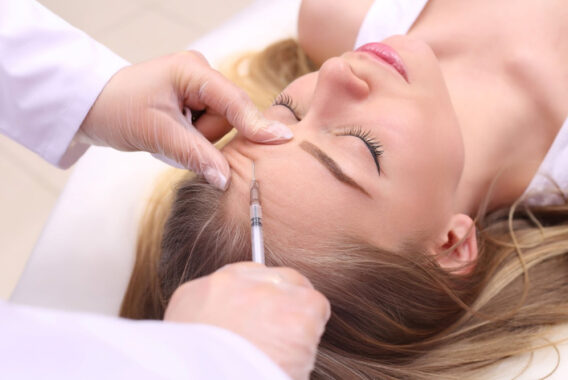
How Can I Reduce Wrinkles on My Face Using Botox?
Aging is an inevitable process, but sometimes, it starts before you're ready. Facial wrinkles from sun exposure, facial movement, and weight change can begin...
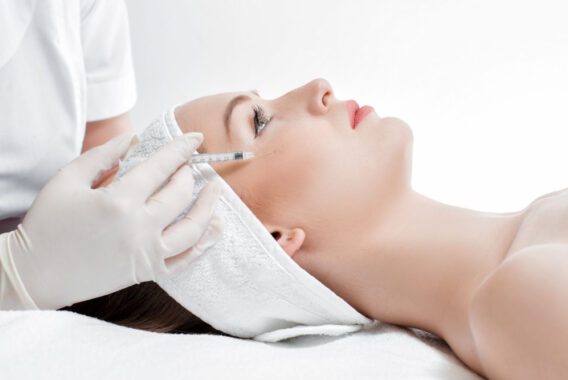
Which Is Better: Botox or Dermal Fillers?
Do you want to face the world with a more youthful appearance? For most people, signs of aging begin around the age of 25. Barely noticeable facial lines...

What Are Some Dermatological Cures for Hives?
If you're plagued by frequent hives and you don't know what to do about them, it's absolutely maddening. Fortunately, we have many dermatological solutions to...

What Are the Differences Between Botox and Dysport?
Wrinkles may be a natural part of life and aging, but that doesn’t mean that we have to give way to them right from when they first appear in our lives. For...

Top Signs of Skin Cancer That Convince People to See a Dermatologist
Your skin is your largest organ; it also happens to be an organ you can see. This means that if something is wrong, you'll likely be able to spot it. Early...

The Best Questions to Ask Your Dermatologist About Eczema
Eczema is defined by the American Academy of Dermatology as inflamed, irritated, and often itchy skin. It is sometimes genetic and people are born predisposed...
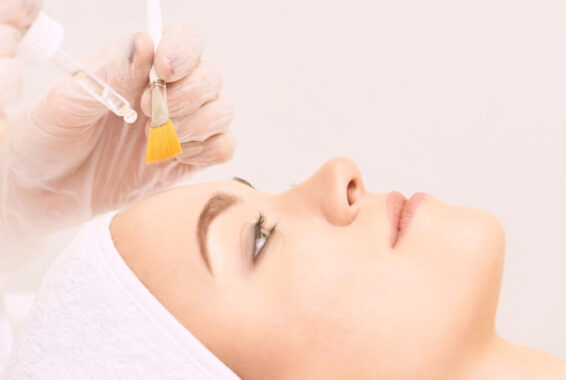
What Are the Potential Side Effects of Chemical Peels?
A chemical peel can be a great way to get the vibrant, glowing skin you've always wanted. Despite the fact that the American Society of Plastic Surgeons...

How Do You Exfoliate Your Skin?
Did you know that skin conditions affect every 1 in 3 Americans? Studies suggest that some skin conditions can be treated with a rigorous skincare routine to...

What Lifestyle Changes Improve Acne?
Improving acne isn't just about ointments and cleansers. Everything from exercise to diet and sleep patterns plays a part. Unfortunately, there's...
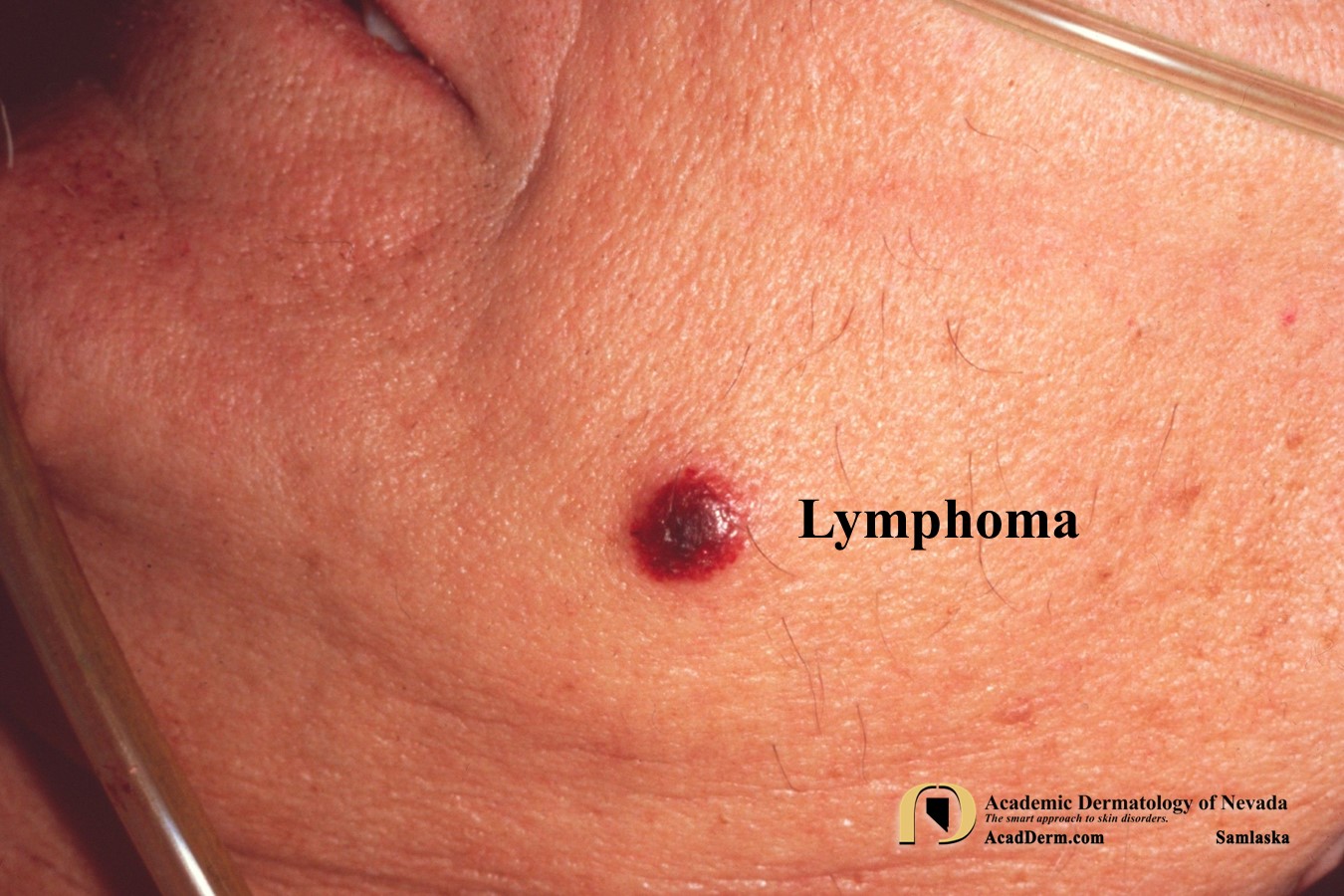
Cutaneous Lymphoma: Please Contribute To The Leukemia & Lymphoma Society…
Cutaneous Lymphomas (CL) can be primary or secondary in origin. Hodgkin Lymphoma of the skin is extremely rare so nearly all of cutaneous lymphomas are of...
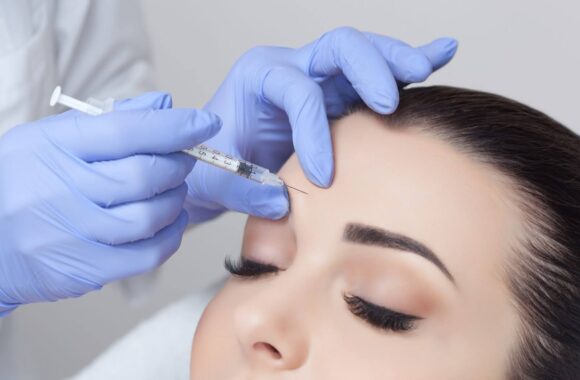
The Many Benefits of Botox Injections
Botox is used for many cosmetic and medical reasons. Botox is made from the bacteria that causes botulism, or food poisoning. This tends to give Botox a...
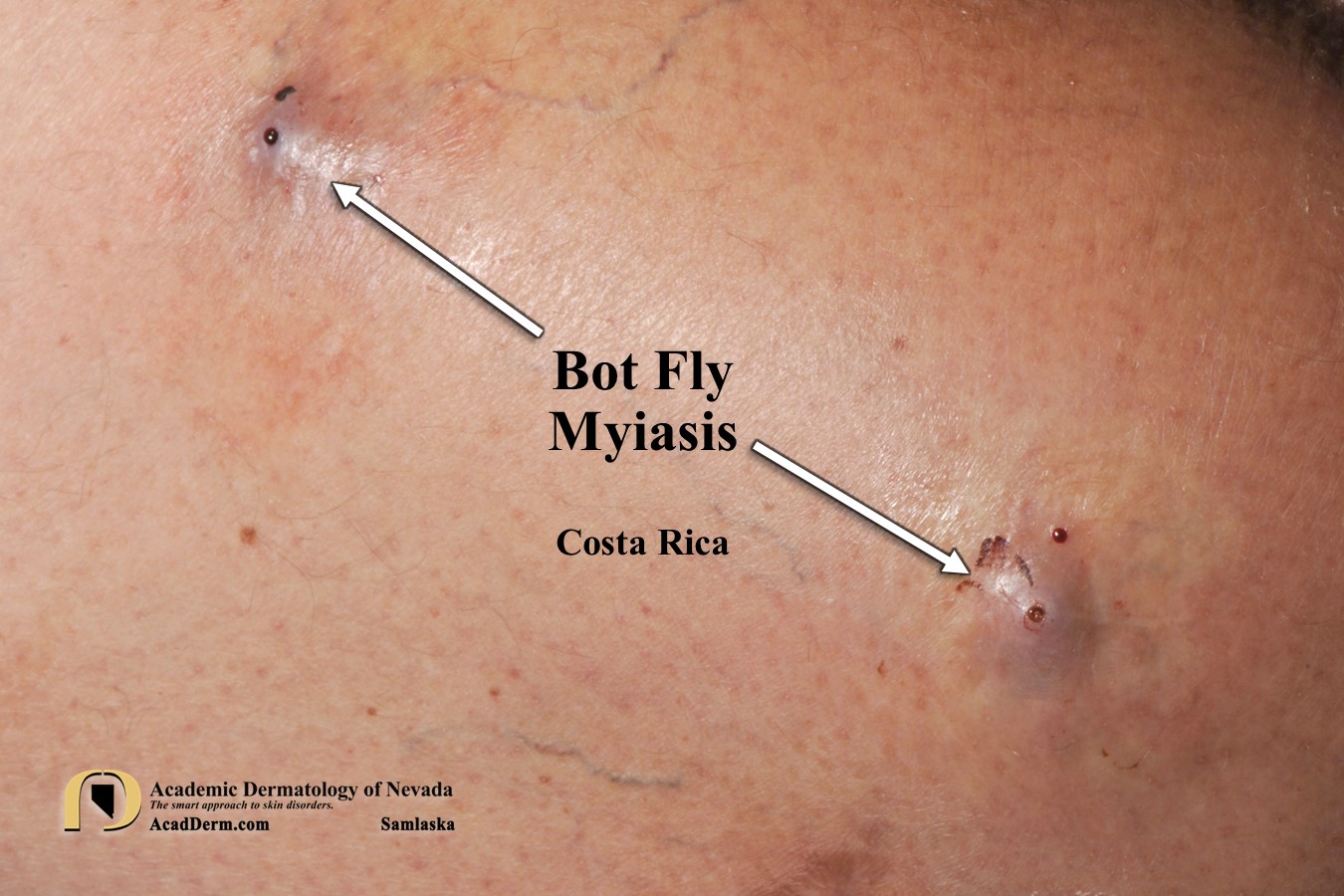
Bot Fly Myiasis: What’s eating me…
Case of the Month: A 70 year gentleman spends his time between Las Vegas and Costa Rica, where he has a home. He was at his house in Costa Rica one day when...
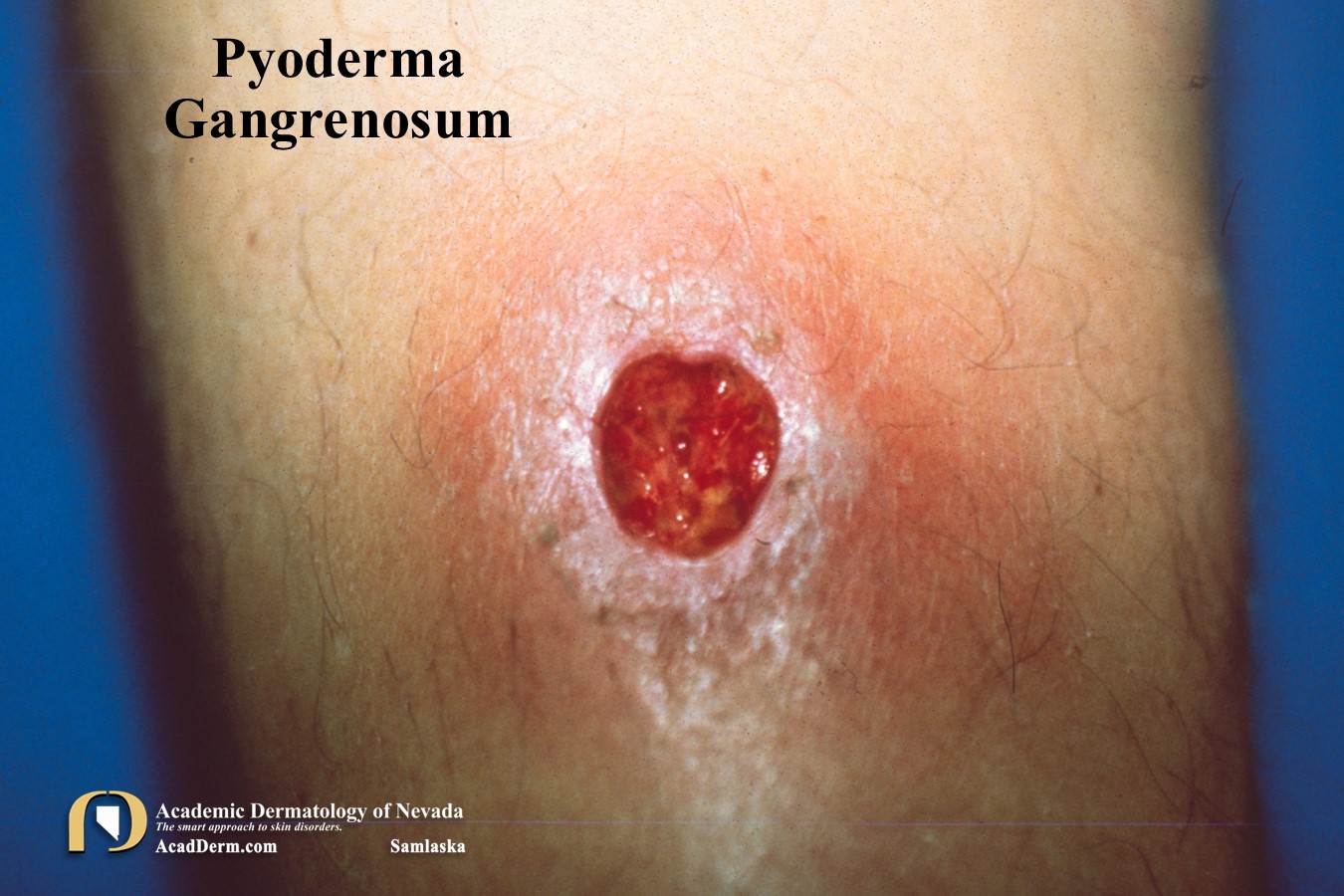
Pyoderma Gangrenosum: It’s not an infection…
Pyoderma Gangrenosum (PG) was initially described by Brunsting in 1930. Classic PG begins as an inflammatory pustule with a surrounding halo that enlarges...
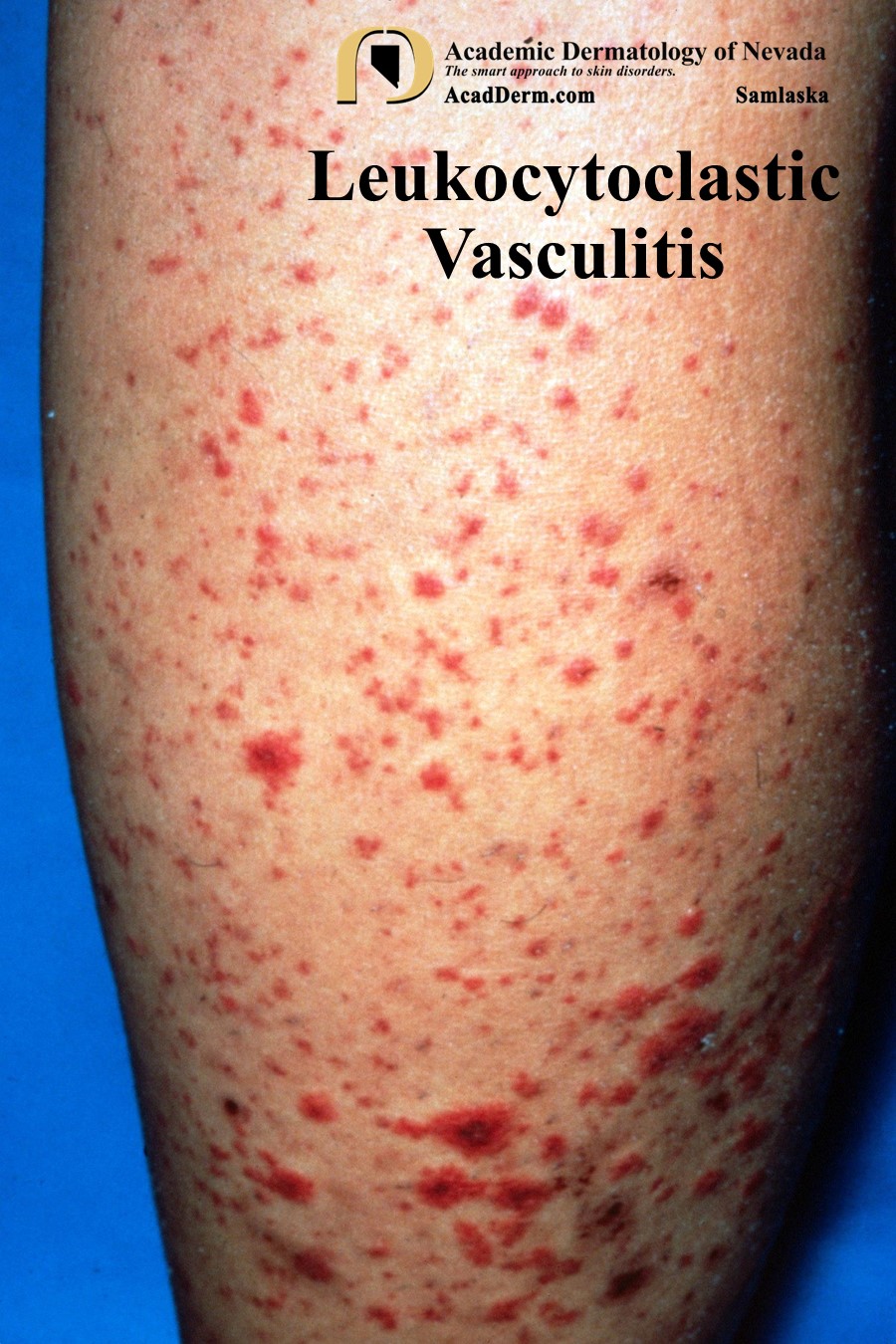
Leukocytoclastic Vasculitis: Small-Vessel Vasculitis…
Vasculitis is a direct result of inflamed blood vessels. The vast majority of cases of cutaneous Leukocytoclastic Vasculitis, also referred to as...
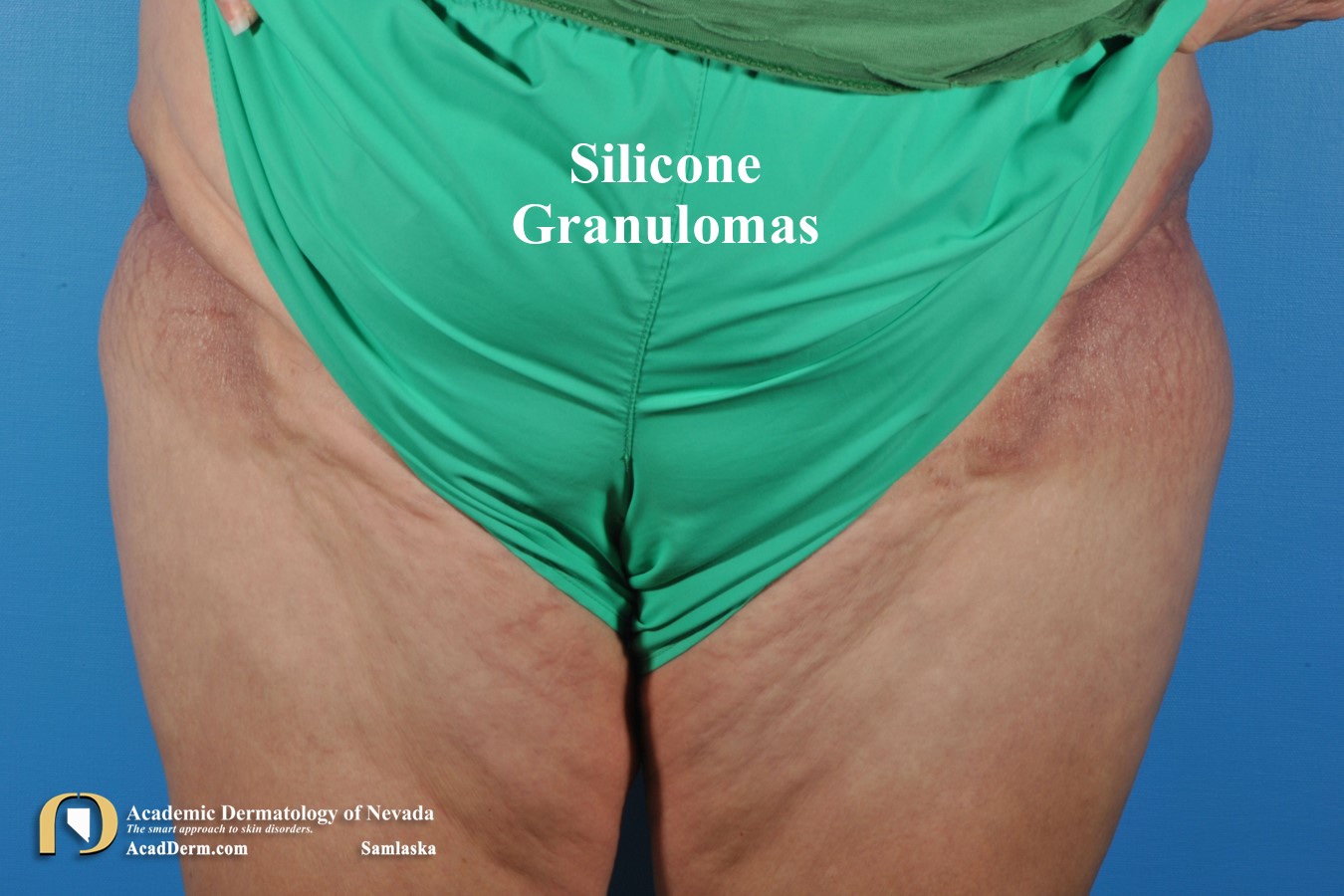
Silicone Granulomas: Body Contouring Disasters…
Liquid injectable Silicone (LIS) has been used for decades as a permanent filler for soft tissue augmentation in many locations to include the face, lips,...
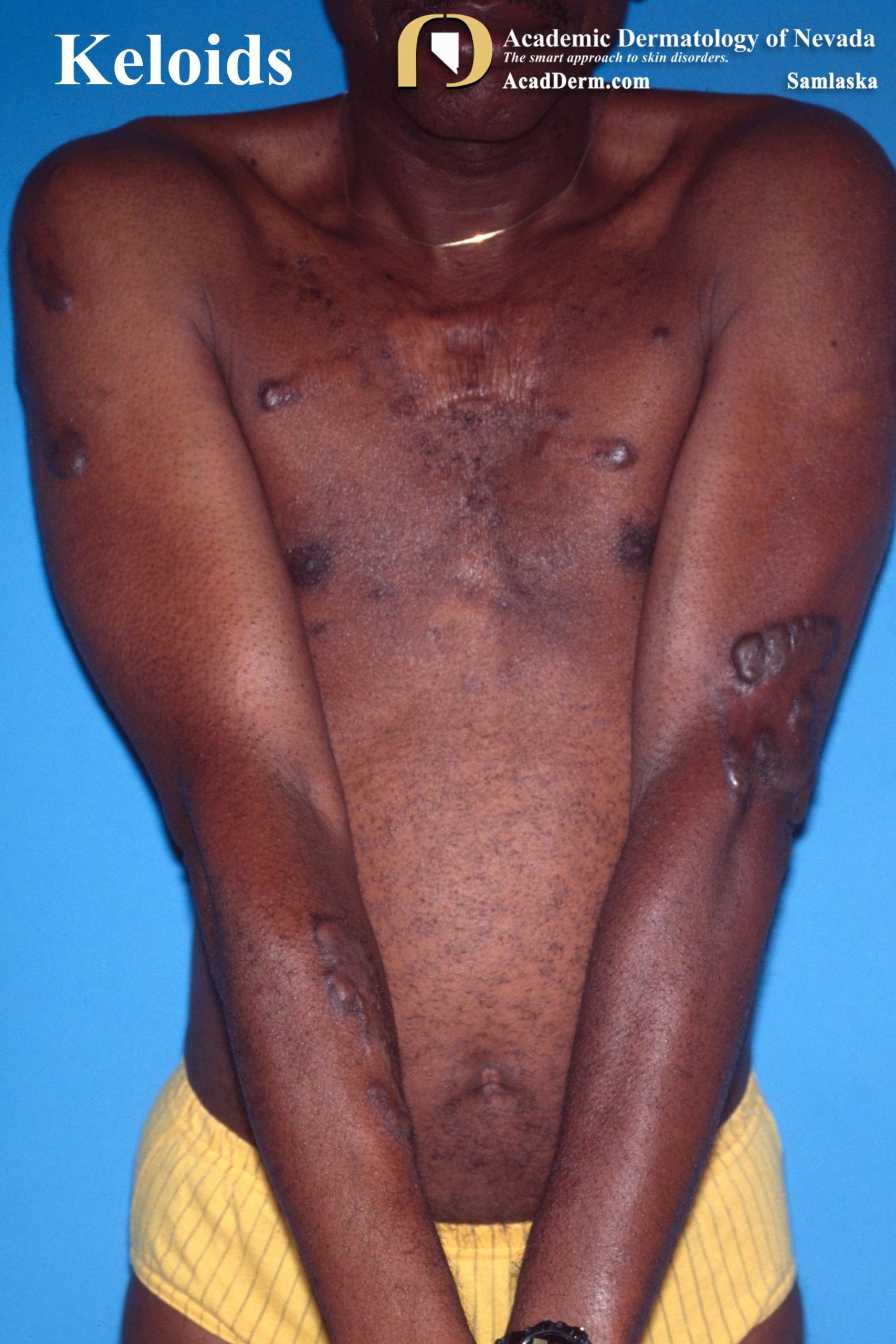
Keloids: Beyond the Margins…
Keloids are benign dermal fibroproliferative tumors with no malignant potential. The first description of abnormal scar formation in the form of Keloids was...
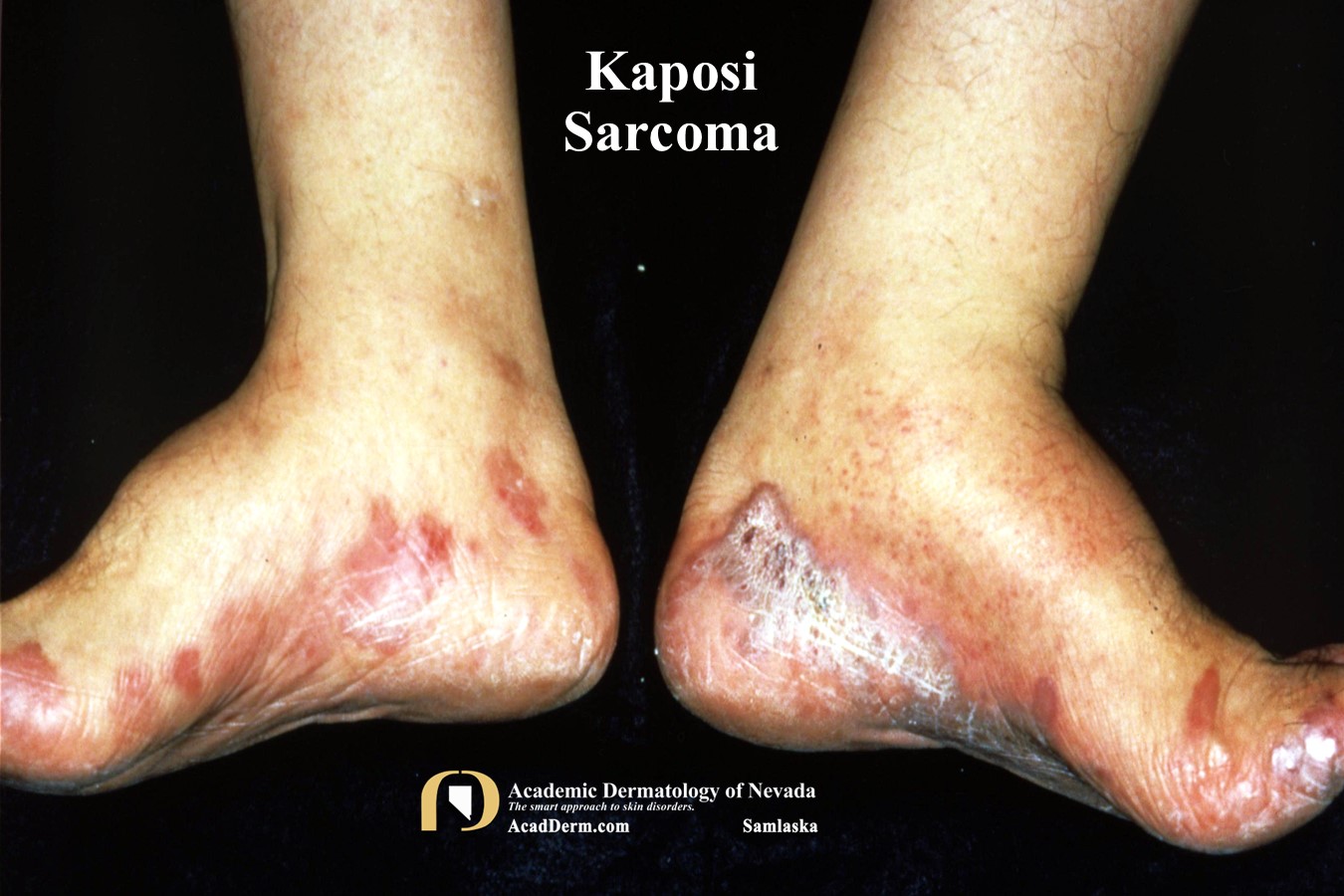
Kaposi Sarcoma: The Old & The New…
Kaposi Sarcoma (KS) was originally described by Moritz Kaposi in 1872 when he called it "multiple benign pigmented idiopathic hemorrhagic sarcoma." Since...
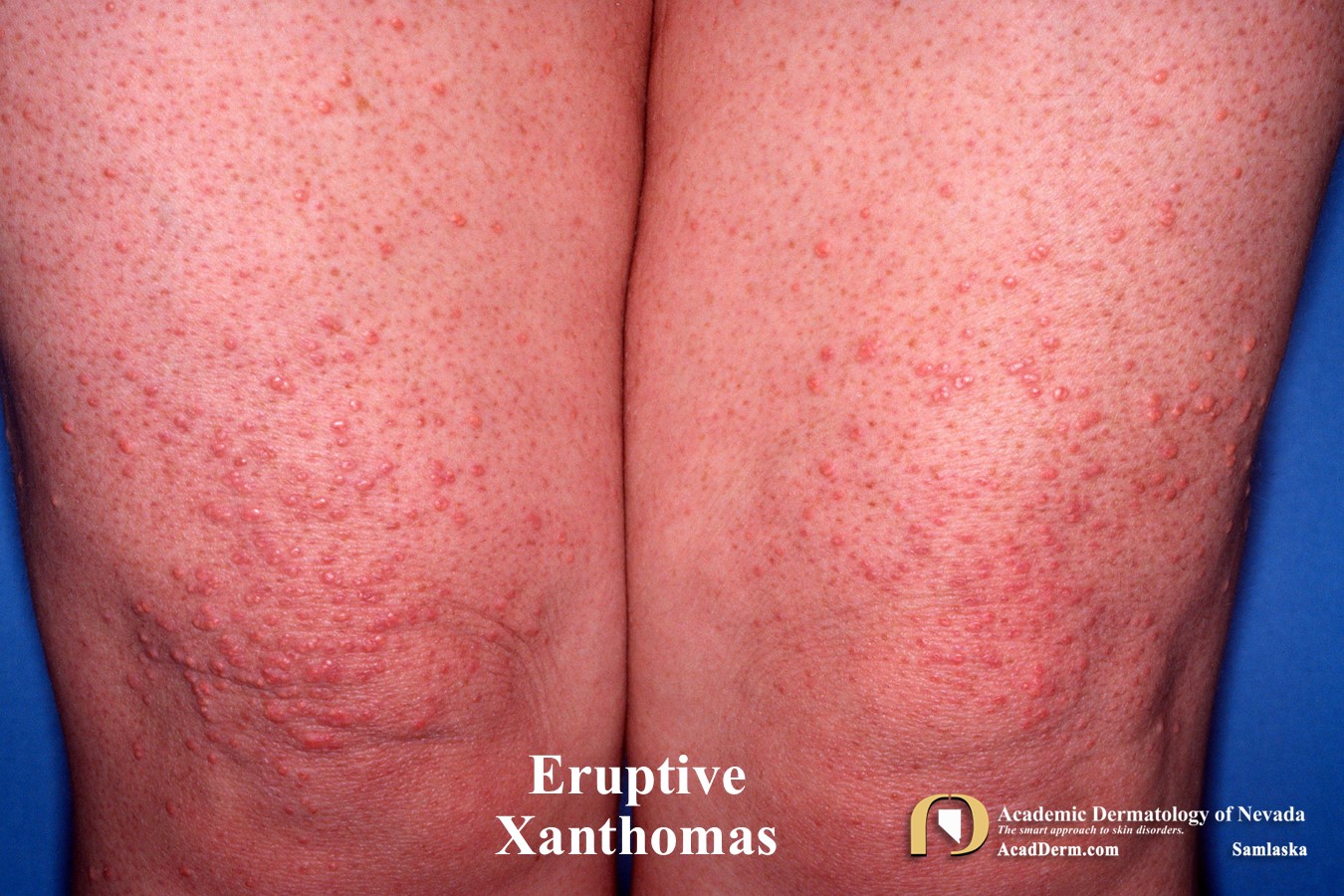
Xanthomas: Signs of Dyslipidemia…
Xanthomas are deposits of lipids in tissues, usually skin and tendons. These are often signs of dyslipidemia, which is a sign of inherited hyperlipidemia,...
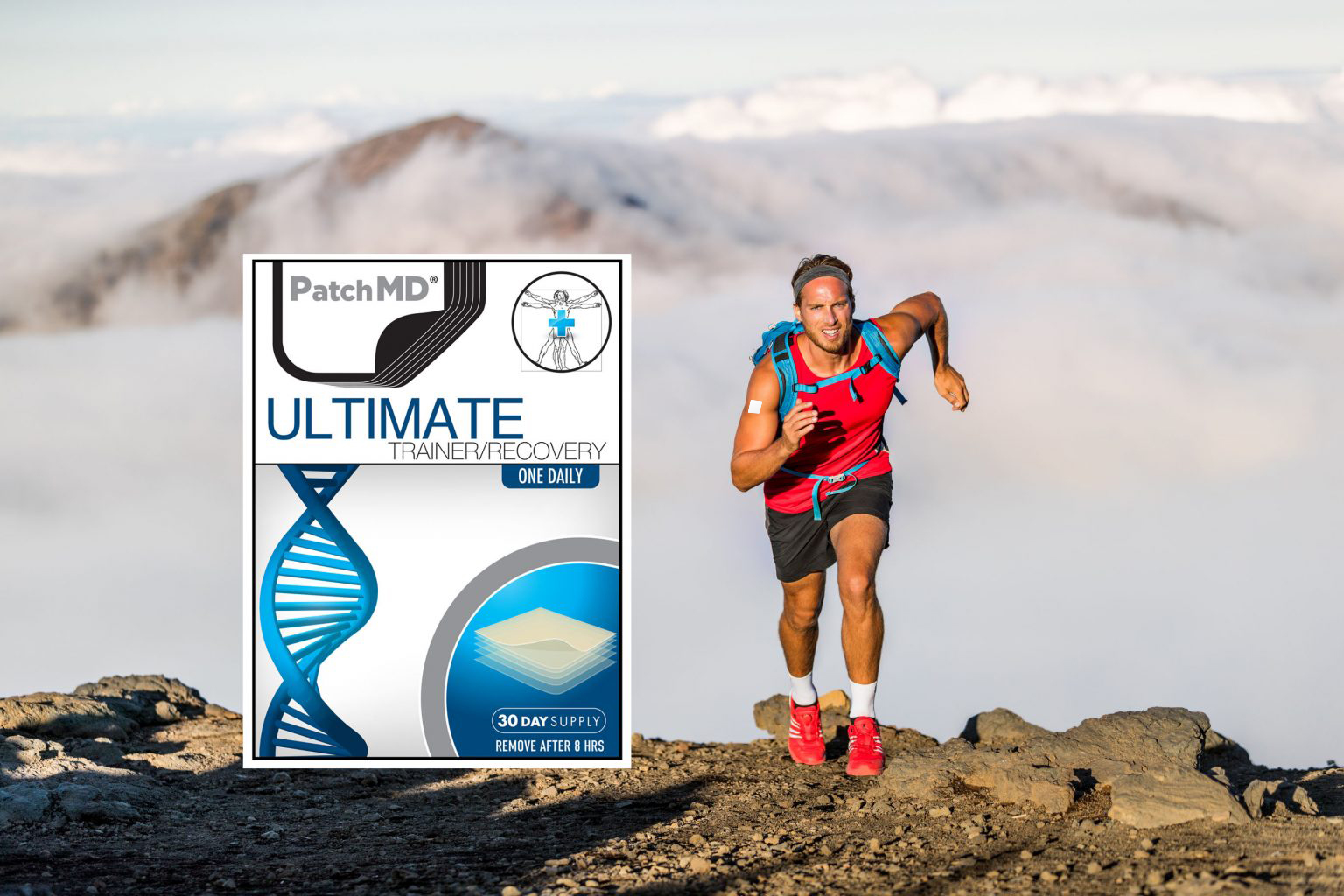
Ultimate Trainer/Recovery: The Science of Fitness…
Many performance-enhancing supplements are increasing in popularity among professional and amateur athletes alike. There is gathering evidence that these...
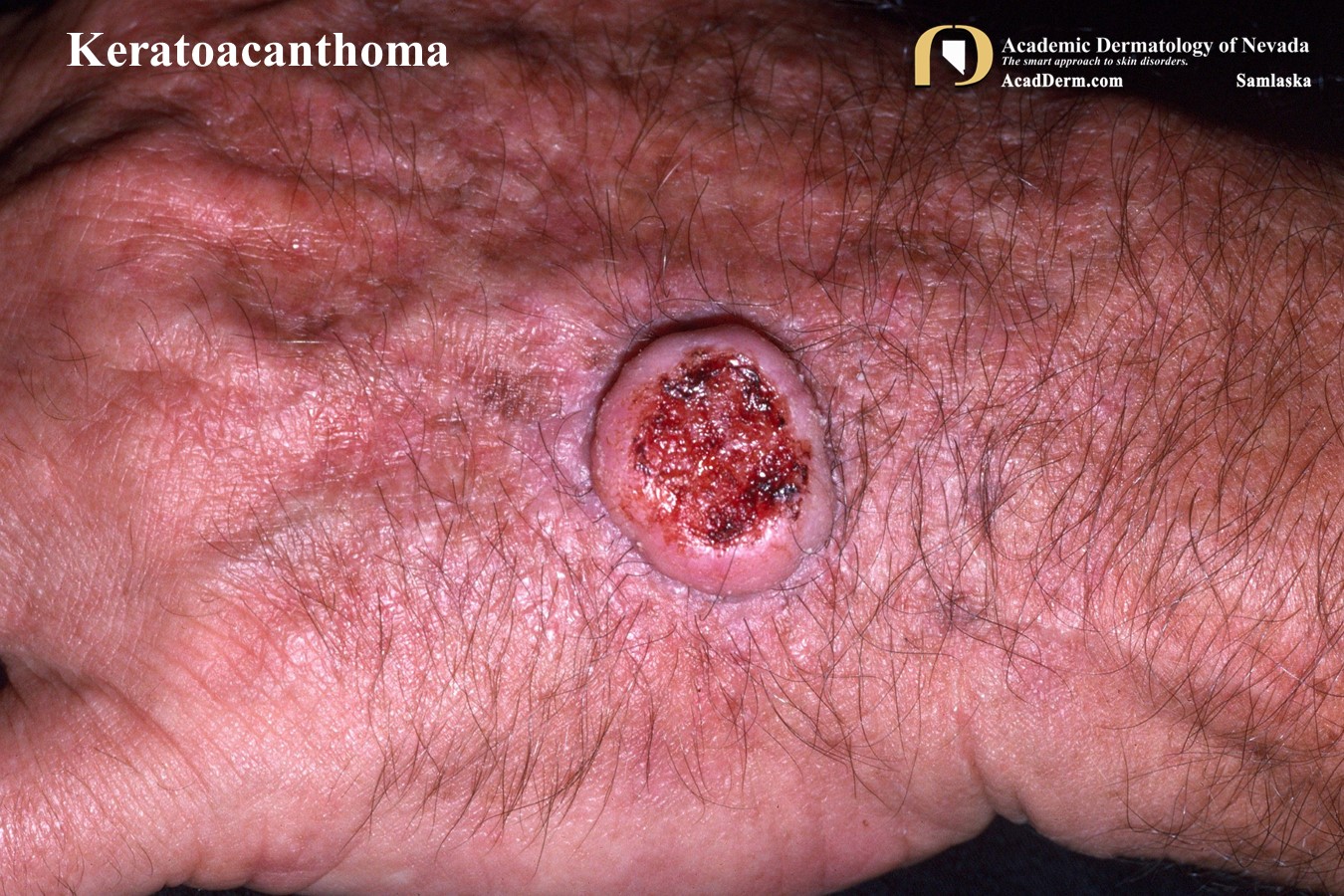
Keratoacanthoma: Low Grade Squamous Cell Carcinomas…
Keratoacanthomas (KA) are rapidly growing papules that can enlarge from a 1 mm macule or papule to as large as 2.5 cm lesion in 3-8 weeks. Fully developed...